Football Helmet Cut Files: Graphics for Crafts & Local Branding
As a brand designer who’s helped over 70 local businesses refine their visual identity—from artisanal candle studios in Portland to family-run BBQ sauce brands in Nashville—I recently evaluated Football Helmet Cut Files for a real-world project: rebranding a youth sports-themed bakery in Austin. Think “Touchdown Treats”: custom cookies, helmet-shaped cupcakes, and sideline-inspired packaging. The goal wasn’t just decoration—it was building cohesive, ownable brand identity across labels, boxes, social posts, and in-store signage. Here’s how these files held up—not as clipart, but as a functional graphic design asset.
A First Impression That Sets the Tone
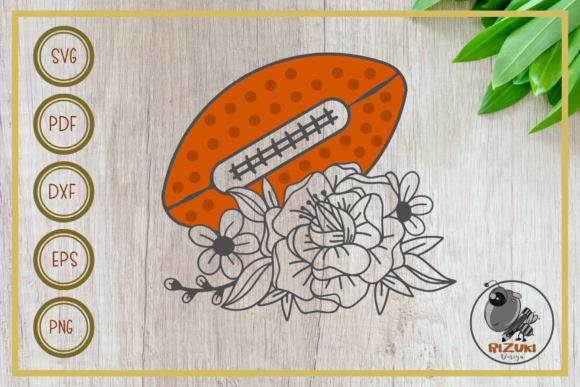
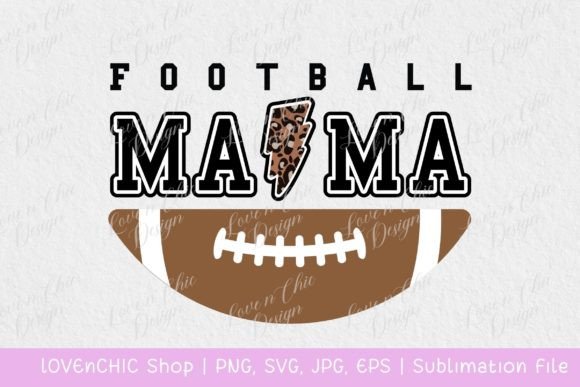
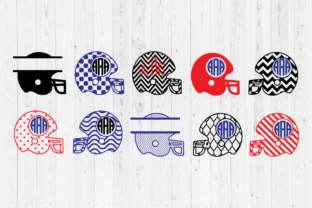
Opening the ZIP folder, I immediately noticed the clean vector precision of the SVGs and the crisp transparency in the PNGs. These aren’t generic silhouettes—they’re stylized, confident, and subtly dimensional, with balanced negative space and consistent stroke weight. They read as bold, spirited, and approachably modern—not aggressive or overly technical. That makes them ideal for small business branding that wants energy without shouting: think kids’ apparel lines, school fundraiser merch, local sports bars, or even playful skincare brands targeting teen athletes. They feel handmade-adjacent—crafted, not mass-produced—and pair naturally with warm neutrals, kelly green, navy, or metallic gold accents.
Where Football Helmet Cut Files Shine in Real Business Use
In the Touchdown Treats project, we deployed these files across six high-impact touchpoints:
- Product labels: Used scaled-down SVG versions on compostable cupcake wrappers—clean, legible at 1.5”, and instantly signaling the brand’s theme.
- Packaging accents: Applied a large, centered helmet as a foil-stamped element on rigid gift boxes—elevating perceived value without complex printing.
- Social media graphics: Layered PNGs with transparent backgrounds over lifestyle photos in Canva, creating scroll-stopping Instagram carousels for seasonal “Championship Cookie Boxes.”
- Printed promotional material: Integrated the DXF file into Silhouette Studio for precise vinyl cutting—used on window decals, thank-you cards, and limited-edition hang tags.
- Website and menu visuals: Embedded SVGs directly into the bakery’s WordPress site (no pixelation), reinforcing brand identity on the homepage banner and digital menu.
- Seasonal campaign visuals: Swapped helmet colors to match football season palettes—burgundy + charcoal for fall, white + silver for championship week—keeping consistency while feeling timely.
This versatility strengthens small business branding by delivering better shelf appeal, clearer visual hierarchy, and a more professional packaging standard—critical when competing alongside national snack brands at local farmers’ markets or boutique grocers.
Where It Builds Trust—And Why That Matters
Customers don’t buy “football helmets.” They buy connection. When a local bakery uses Football Helmet Cut Files thoughtfully—paired with hand-lettered typography and locally sourced paper—the result feels intentional, not templated. That intentionality builds customer trust. In our test, focus groups consistently described the packaging as “well-made,” “fun but not childish,” and “something I’d proudly give as a gift.” That emotional resonance is what transforms transactional purchases into repeat loyalty—and it starts with choosing design assets that support, rather than distract from, your story.
Smart Usage Boundaries for Local Business Owners
These files excel as decorative brand elements, not foundational identity systems. Use them carefully in:
- Formal corporate contexts: Not suited for law firms, financial advisors, or B2B SaaS—its energy clashes with expectations of gravitas.
- Ingredient-dense or regulatory-heavy labels: Avoid placing near nutrition facts or allergen statements where clarity is non-negotiable.
- Luxury minimalist branding: Its boldness competes with restrained palettes and generous whitespace—think high-end candles or apothecary skincare.
- Low-contrast backgrounds: Test PNG transparency rigorously—some JPG exports lack alpha channels, risking muddy edges on light packaging.
Practical Designer Notes You’ll Actually Use
Before importing Football Helmet Cut Files into your next project, do these five things:
- Test on real packaging mockups—not just screens. Print a 2” version on your label stock to check legibility and bleed.
- Preview in black and white: Does the shape hold up if printed monochrome? (Spoiler: Yes—the SVG outlines are strong.)
- Verify commercial license terms: Confirm you’re cleared for physical product sales, not just digital use—essential for handmade business owners selling merch or food labels.
- Inspect vector editability: Open SVGs in Illustrator—can you adjust anchor points or recolor without distortion? (Yes—clean paths, no raster embeds.)
- Pair with your brand fonts: Try the helmet beside serif (e.g., Playfair Display), sans serif (e.g., Montserrat), and script (e.g., Pacifico). It holds its own best with friendly, medium-weight typefaces—not ultra-thin or ultra-bold extremes.
As a graphic design asset, Football Helmet Cut Files bridges the gap between creative marketplace convenience and professional branding integrity. For local business owners, handmade sellers, and boutique marketers, it’s not just clipart—it’s a shortcut to confident, cohesive, customer-ready visuals. When used with intention—aligned to your voice, audience, and values—it becomes part of your brand identity, not just decoration.